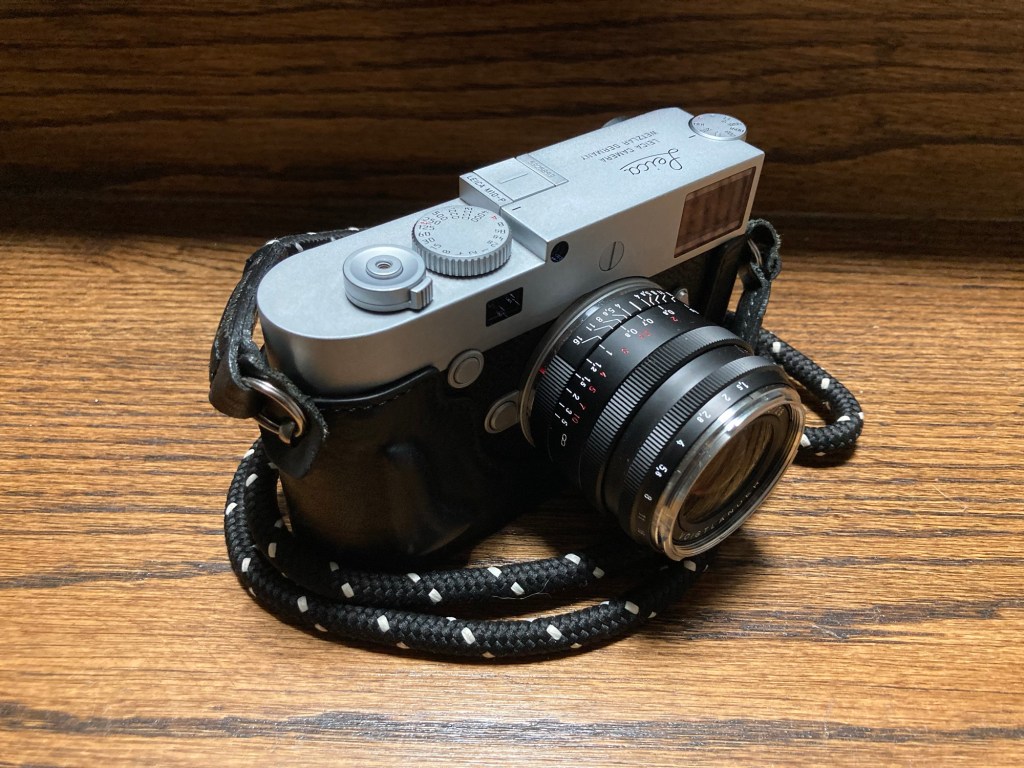
In 2013, I picked up my first Leica M body: the Leica M8. Using the M8 put me on a photography path that I likely wouldn’t have taken otherwise. Shooting with a rangefinder camera shaped my photographic style and allowed me to see the images I was after (in a way DSLR and Mirrorless cameras did not). We all have our way of seeing the world, photographically-speaking, and whether we realize it or not we typically see our images through a particular focal length. Using the M8 helped me realize that I tend to see the world, and anchor my photographic style, with a 28mm lens.
I know this might seem like an odd lead-in for a lens review, but I’m saying all that to say this: I’ve been waiting for the Voigtlander 28mm f/1.5 ASPH since I picked up the M8 over a decade ago. When I had the M8, my lens of choice was the Voigtlander 28mm f/1.9. Once I got an M240, it was the first generation Voigtlander 28mm f/2. On the M240-P, it was a 28mm Summicron. Then a Leica Q. Then the 28mm Summilux on an M10-P. Prior to getting the Summilux, I wished dearly that Voigtlander or Zeiss would release a 28mm f/1.4 lens. Shooting fast and wide all the way, for me. However, once I picked up the Summilux, I quickly forgot about a mythical Voigtlander or Zeiss 28mm f/1.4 lens. I was astounded by the Summilux and felt a level of photographic-Zen with the lens. It was the lens for me.
As it were, one day while looking at LeicaRumors I noticed a post about the brand-spanking-new Voigtlander 28mm f/1.5 NOKTON ASPH. I had to try it.

Build, Size & Weight
There are two versions of the Voigtlander 28mm f/1.5 ASPH lens: Type I and Type II. The Type I is made with aluminum and weighs 250 grams, whereas the Type II is made with brass and weighs 330 grams. For this write-up, I’m using the Type I, so I can’t provide a lot of insight regarding the Type II. Voigtlander’s website provides a good overview of the two versions, for those interested in learning more. Either way, both versions are impressively small and mighty, especially for a fast 28mm lens.
The Type I feels extremely solid. The aluminum body is well-made and feels like a high quality M-mount lens. It looks and balances great on any digital Leica M body.
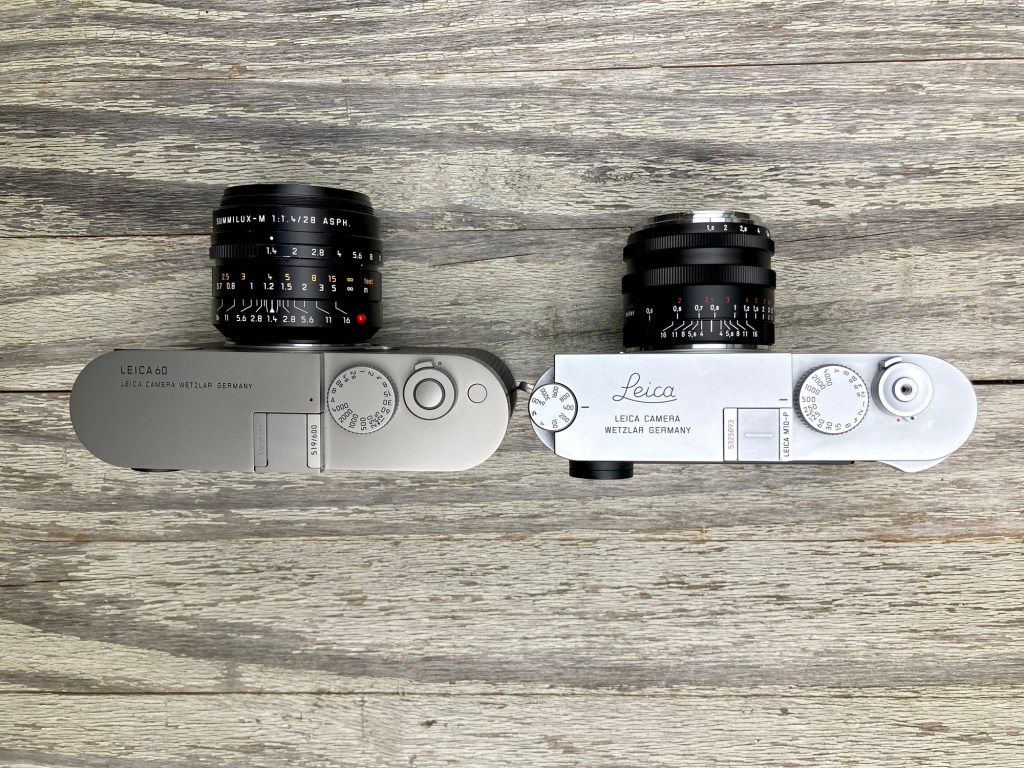
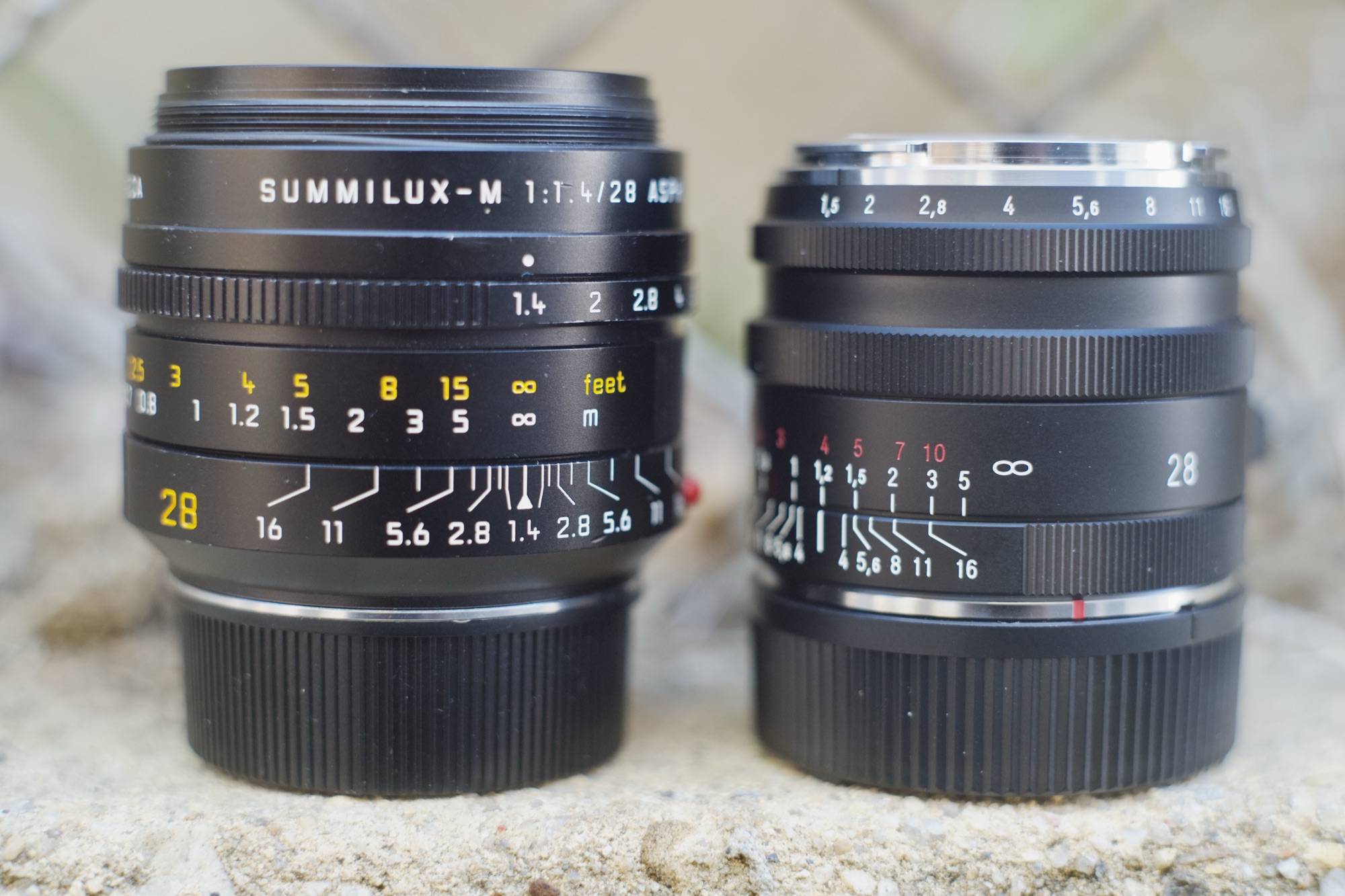
The Leica 28mm Summilux ASPH is noticeably larger and heavier than the Voigtlander 28mm f/1.5 ASPH. Leica’s website says the 28mm Summilux is 440 grams – that’s almost double the Voigtlander Type I. Also, just look at the below photos to see the difference in size. However, let me add some context to the size and weight differences. The Leica 28mm Summilux ASPH is my favorite lens, of any camera system. I’ve shot everything with that lens, from weddings to casual family photos. For 2 years, it remained glued to my M10-P and I seldom used anything else. In all that time, I never thought about the size and weight. Yes, it is technically bigger and heavier than other 28mm lenses and most other M-mount lens. That doesn’t mean it’s a big or heavy lens.
Now that I’ve used the Voigtlander 28mm f/1.5 ASPH, however, the size and weight is more noticeable. The Leica 28mm Summilux ASPH suddenly feels a bit dated simply because of the size and weight difference.
Handling
Truthfully, I’ve always been somewhat disappointed when handling Voigtlander lenses. Typically, Voigtlander likes to incorporate “classic” embellishments to their lenses (chrome hood bayonets, knurled focus/aperture rings, curvy body shapes, etc). While such things technically don’t interfere with the handling of a lens, it does make me hesitant towards using Voigtlander lenses. Leica lenses just feel more streamlined, minimal, and refined. They’re engineered to work extremely well with digital Leica M bodies. With that in mind, I was pleased to see that Voigtlander released two versions of this lens. In my opinion, the Type I has a more modern look, while the Type II looks more like a traditional Voigtlander lens. I opted for the Type I version of this lens because it made more sense to me as street shooter.
The Type I handles great. The focus tab works beautifully. The aperture ring quietly and quickly clicks at half-stops. Due to its small size, I barely notice it’s on my M10-P. For a fast 28mm lens, it handles great.
Compared to the Leica 28mm Summilux ASPH? That’s where things get interesting. While I have a soft spot for the Leica 28mm ‘Lux, I think the Voigtlander 28mm f/1.5 ASPH handles better. To be sure, the Leica 28mm ‘Lux handles like a Leica and is a natural extension of any digital Leica body. It’s truly a great lens and does handle nicely. However, the Voigtlander 28mm f/1.5 ASPH is noticeably smaller and lighter, and feels better when mounted on a digital Leica M body. While I never found the Leica 28mm ‘Lux to be burdensome, I’ve grown to appreciate the nimbleness of the Voigtlander 28mm f/1.5 ASPH.

Close Focus
At first, I honestly had no idea that the Voigtlander 28mm f/1.5 ASPH focused closer than the normal 0.7 meters found on most M-mount lenses. I was so eager to use this lens, the thought didn’t even cross my mind to check the MFD. I quickly figured this out, though, and I must say it was a pleasant surprise. I generally don’t shoot closer than 0.7 meters, mostly because the rangefinder mechanism found in digital Leica M bodies can’t tell me if something closer than 0.7 meters is in focus. Still, it is nice to have the option to turn on live-view and get closer to subjects.
Viewfinder Blockage
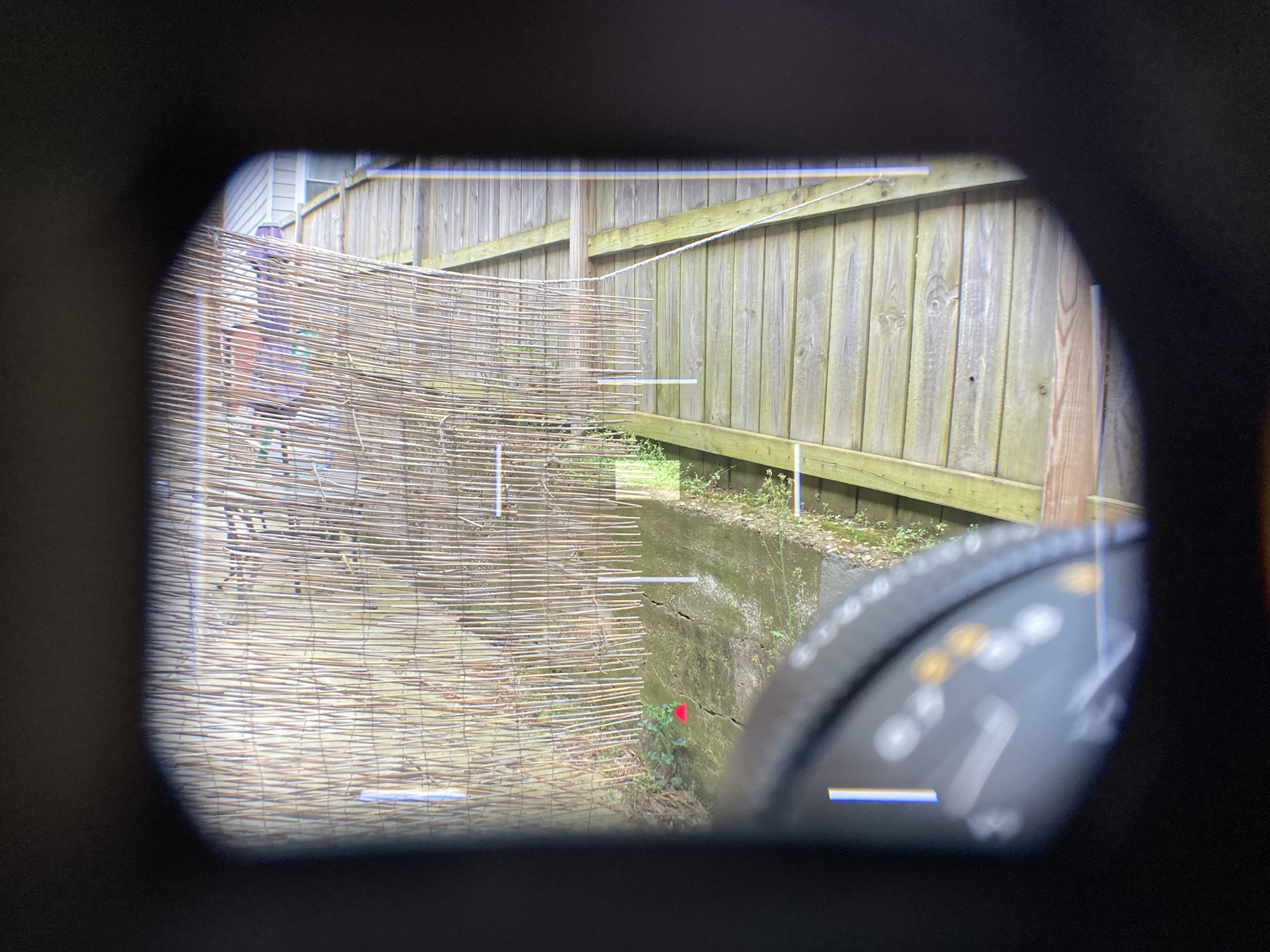
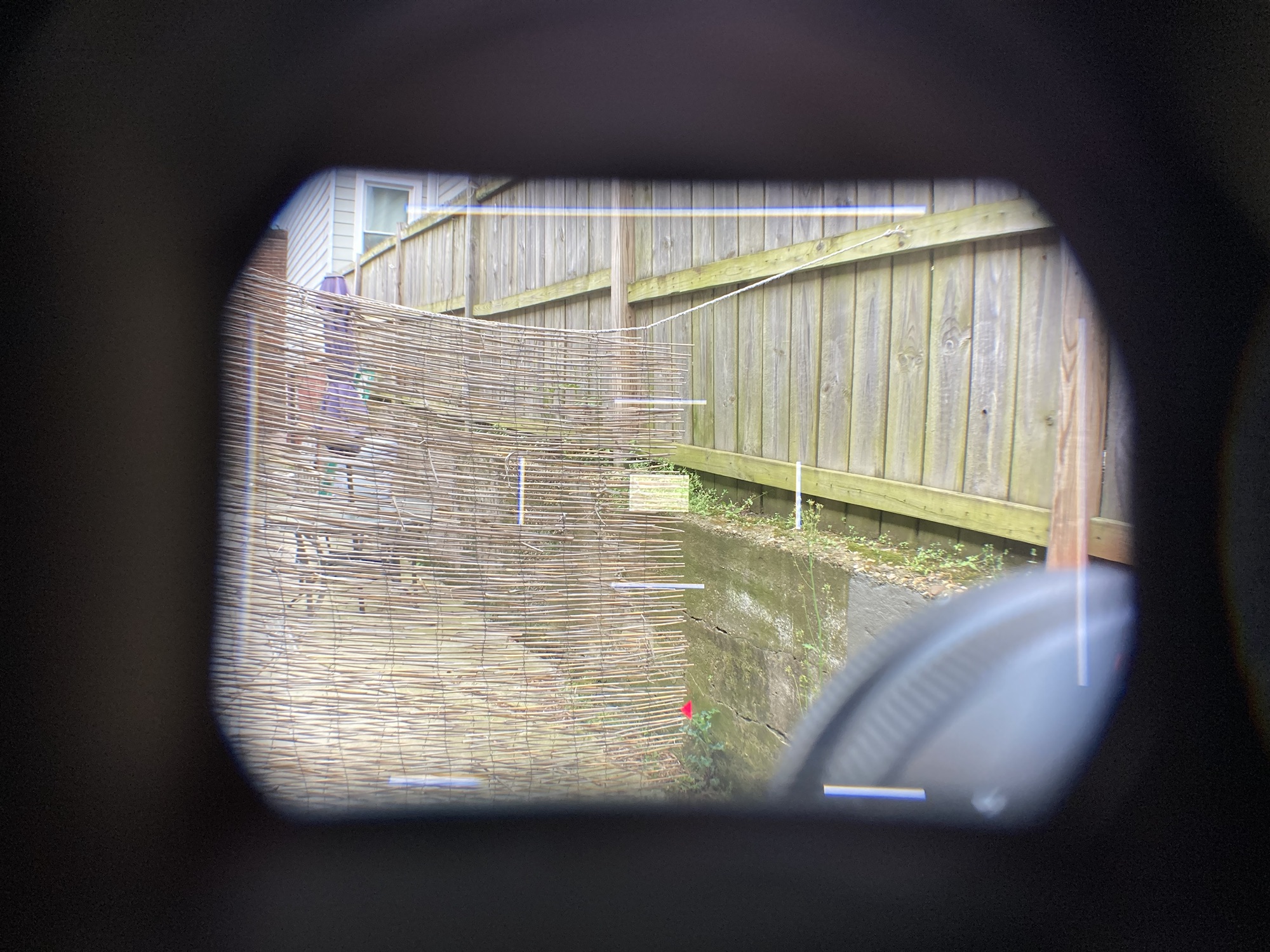
For a 28mm f/1.5 lens, viewfinder blockage is minimal. Compared to the Leica 28mm Summilux ASPH, there is noticeably less viewfinder blockage with the Voigtlander 28mm f/1.5 ASPH.
Samples
Other Considerations
One thing I wish Voigtlander would modernize is their lens hood system. The Voigtlander 28mm f/1.5 ASPH has a chrome bayonet lens hood mount. For some folks, this is fine. Personally, I’m not a fan of this system. For one, I don’t like vented lens hoods for the simple fact they’re wider than modern Leica lens hoods. I also don’t like the chrome nose of the Voigtlander. Additionally, you have to buy the lens hood separately with the Voigtlander, whereas it’s included with the Leica. I guess that’s not a big deal, though, since the Voigtlander costs much less… Either way, this is where I prefer the Leica 28mm Summilux ASPH – it has a streamlined and minimal lens hood system.
Additionally, the Leica 28mm Summilux ASPH has 6-bit coding, which I find extremely useful for in-camera lens profiles. I also like 6-bit coding so an image’s metadata can tell me which lens I used for certain photos. While it’s true that 6-bit coding can be added the Voigtlander 28mm f/1.5 ASPH, I like that the Leica comes with this straight from the factory.
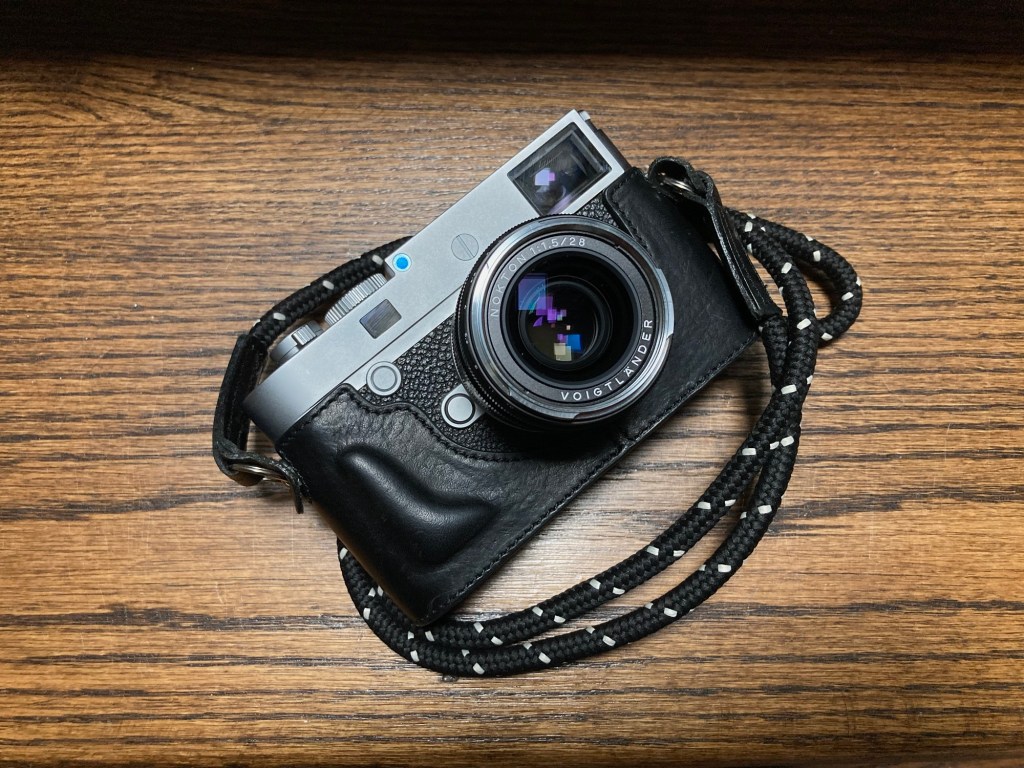
Image Quality
I was blown away by the image quality of the Voigtlander 28mm f/1.5 ASPH. It’s amazing. Prior to using the lens, I was skeptical that the IQ would be anything special. You see, dear reader, I found the IQ of the recently released Voigtlander 35mm f/1.5 ASPH to be lackluster. “Perhaps the 28mm f/1.5 lens would follow suit,” I thought. Additionally, the Leica 28mm Summilux ASPH is the pinnacle of quality, form and function – if I were to be stranded on a desert island with only one lens, the Leica 28mm ‘Lux would be it. To me, the Leica 28mm Summilux ASPH is truly lightning captured in a bottle. Such thoughts quickly changed once I used the Voigtlander 28mm f/1.5 ASPH, however. In a manner of speaking, my eye started wandering towards the Voigtlander.
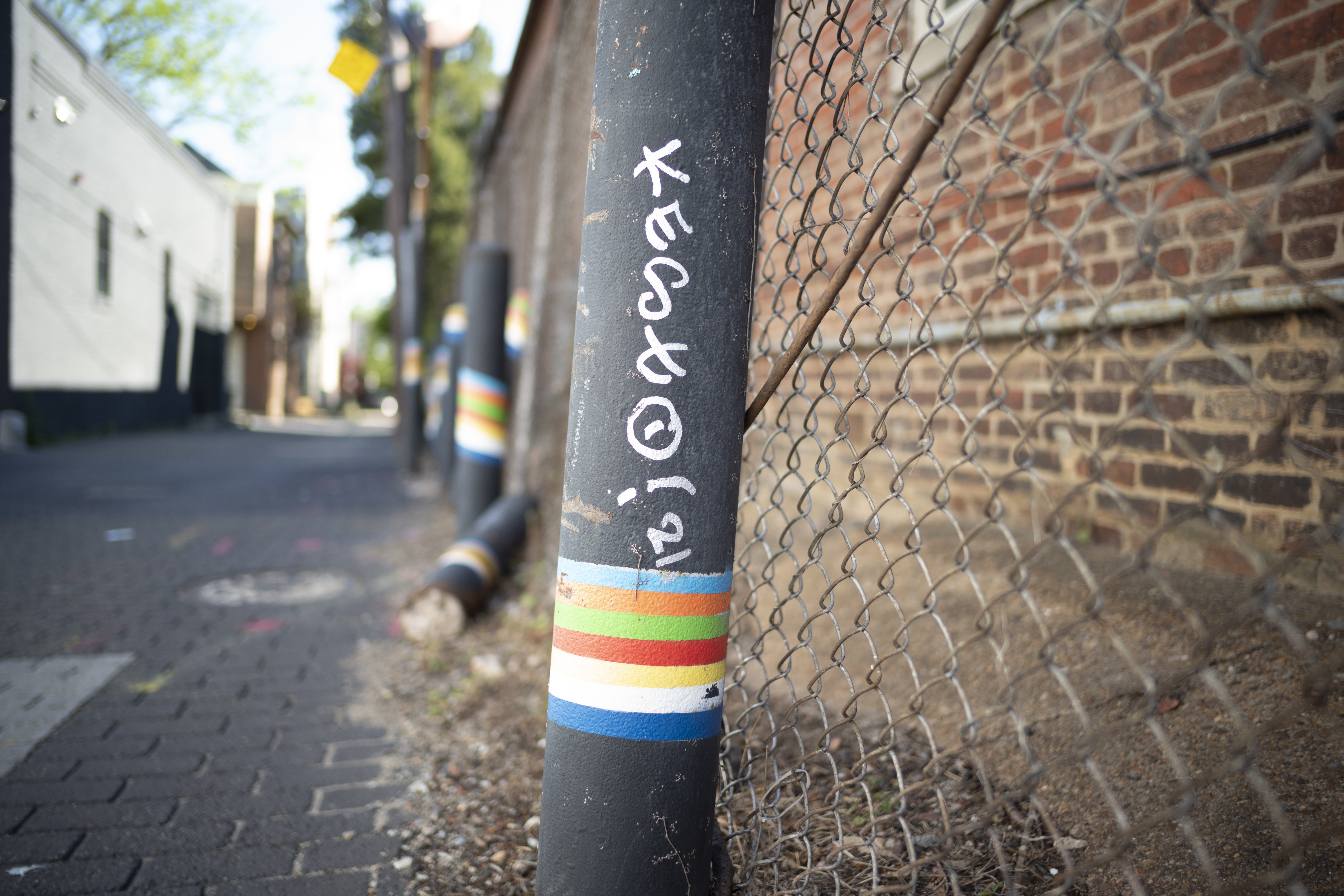
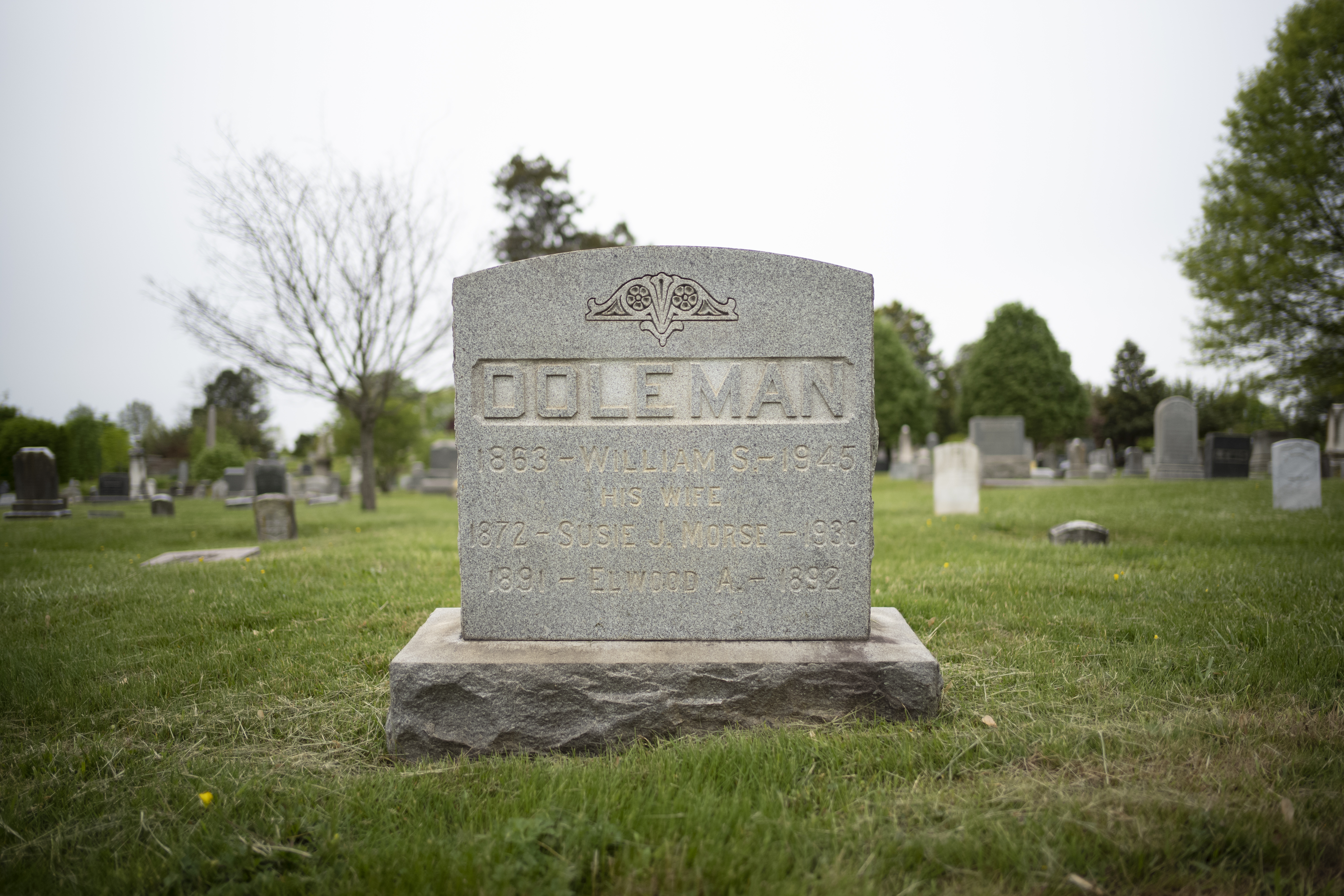
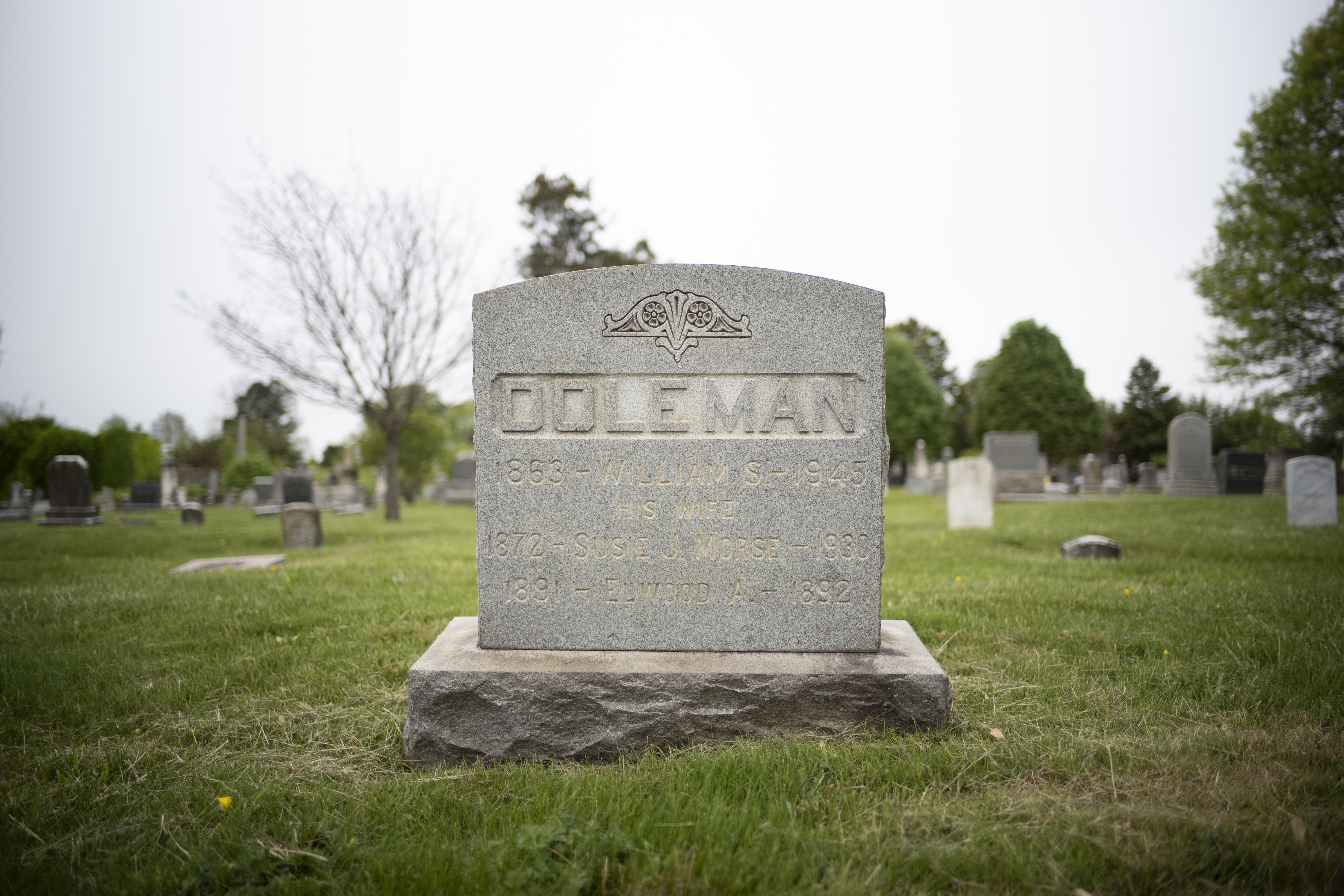
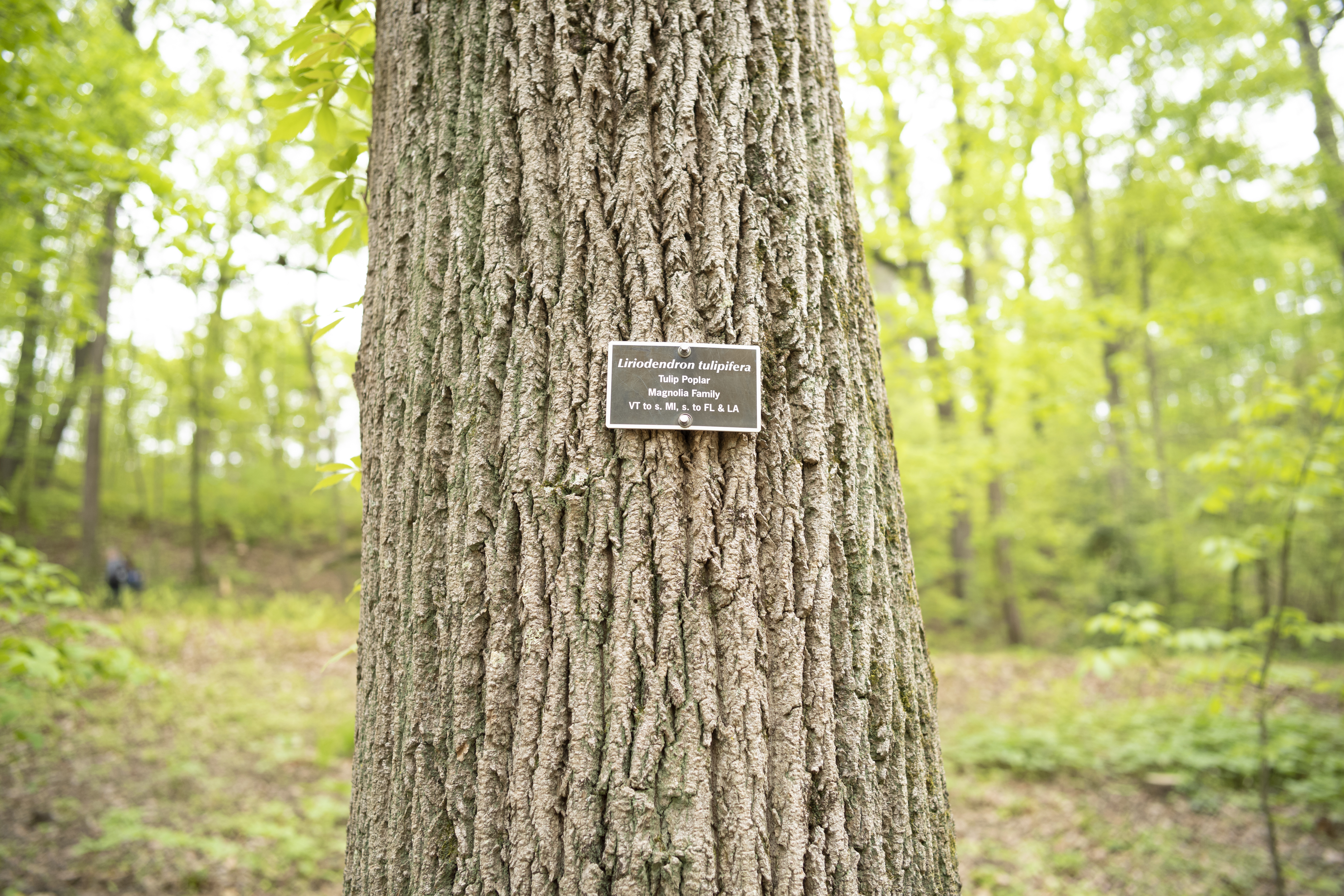
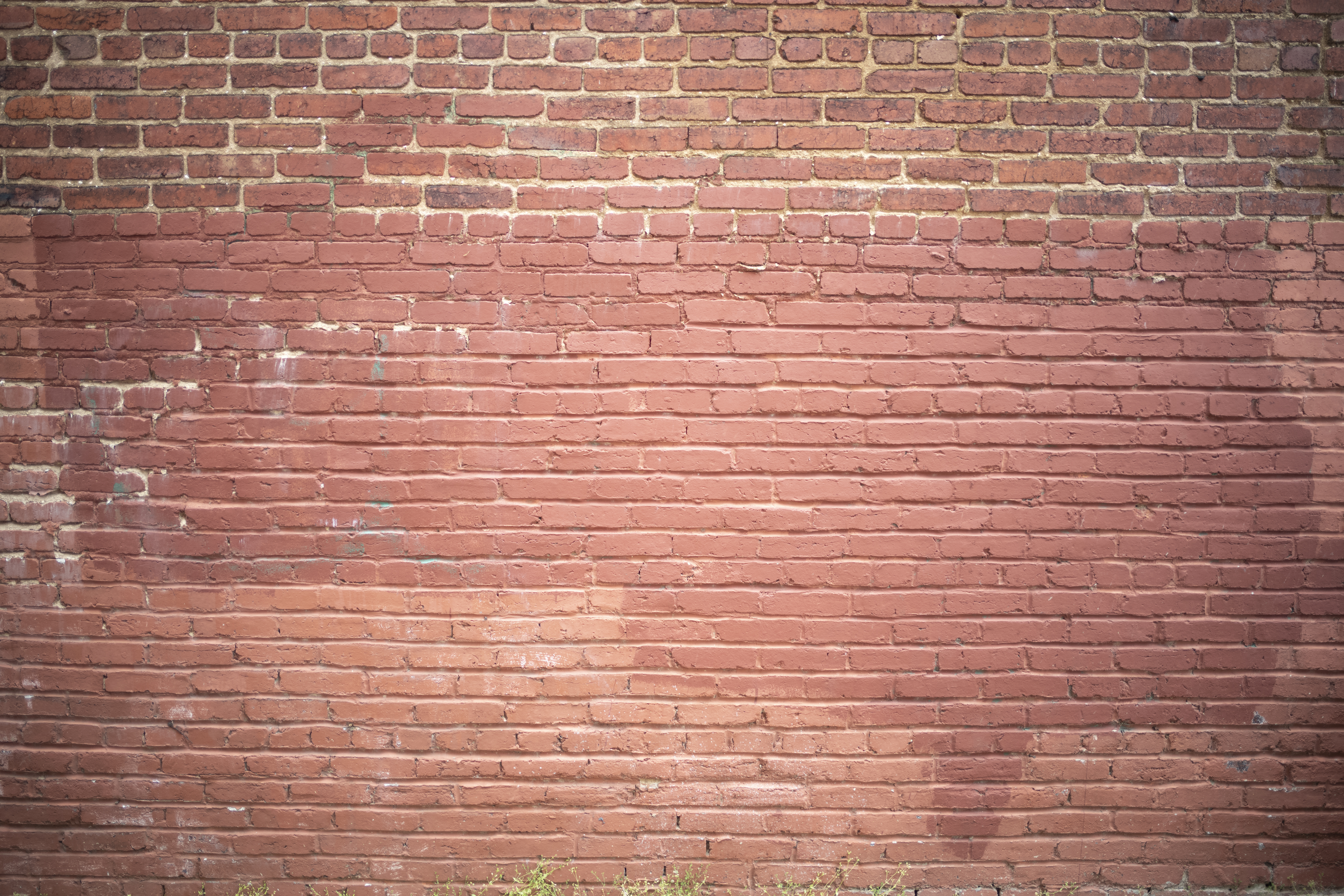
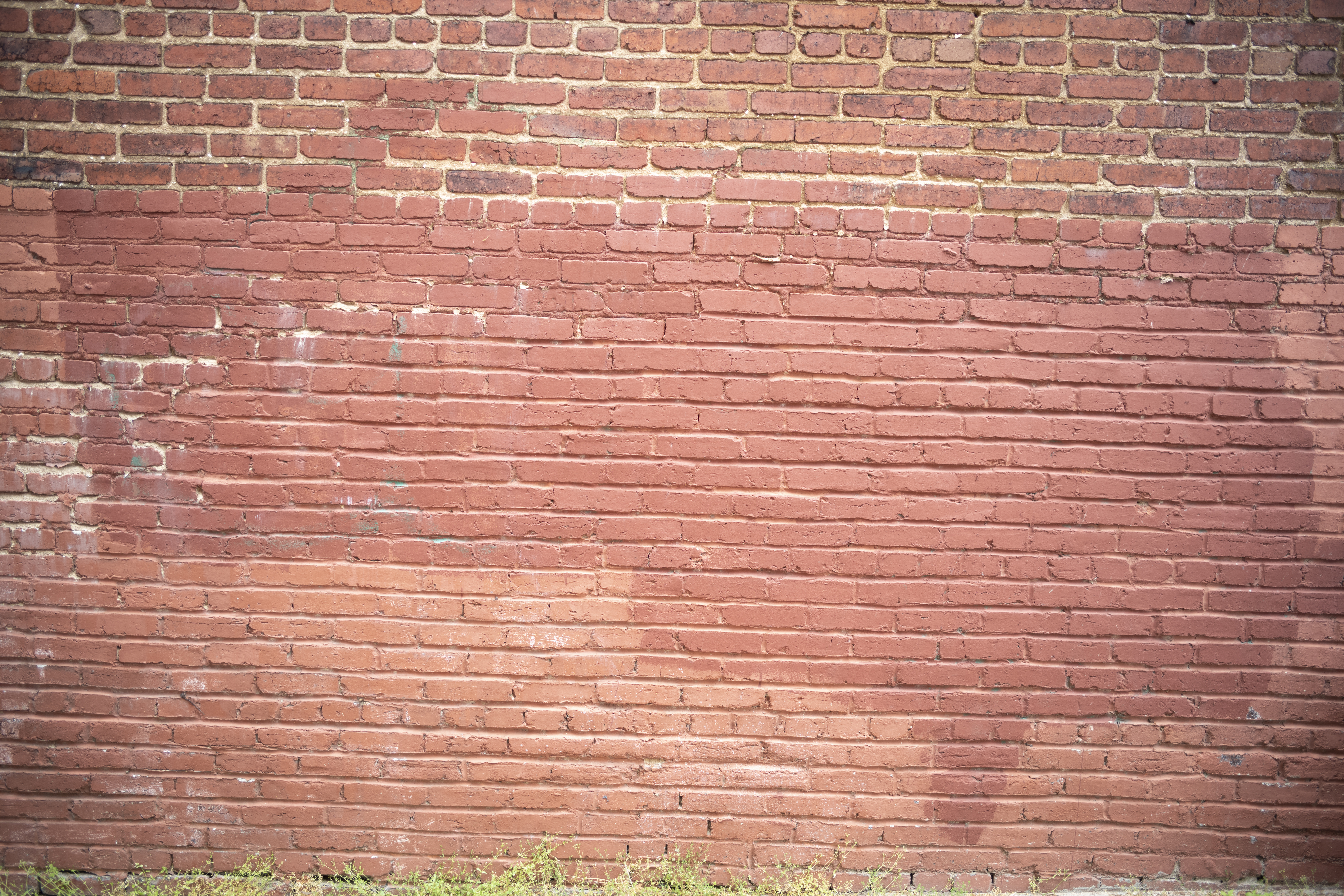
I’ll avoid droning on about image quality. Instead, please see the photos below and judge for yourself. I’ve included a few brief thoughts after the comparison photos.
For the comparison photos, I used a Leica M10-P with lens detection turned off and no lens hood. Additionally, I only tested aperture values up to f/2.8. Why? Mainly because in the real world I’m more of a wide-open open shooter and rarely stop down past f/2.8. Plus, for a fast lens like this, there is little point in testing beyond f/2.8. One spends the extra money for the opportunity to shoot fast, therefore I don’t personally see the value is testing beyond f/2.8.
Scene 1


Scene 2
Scene 3





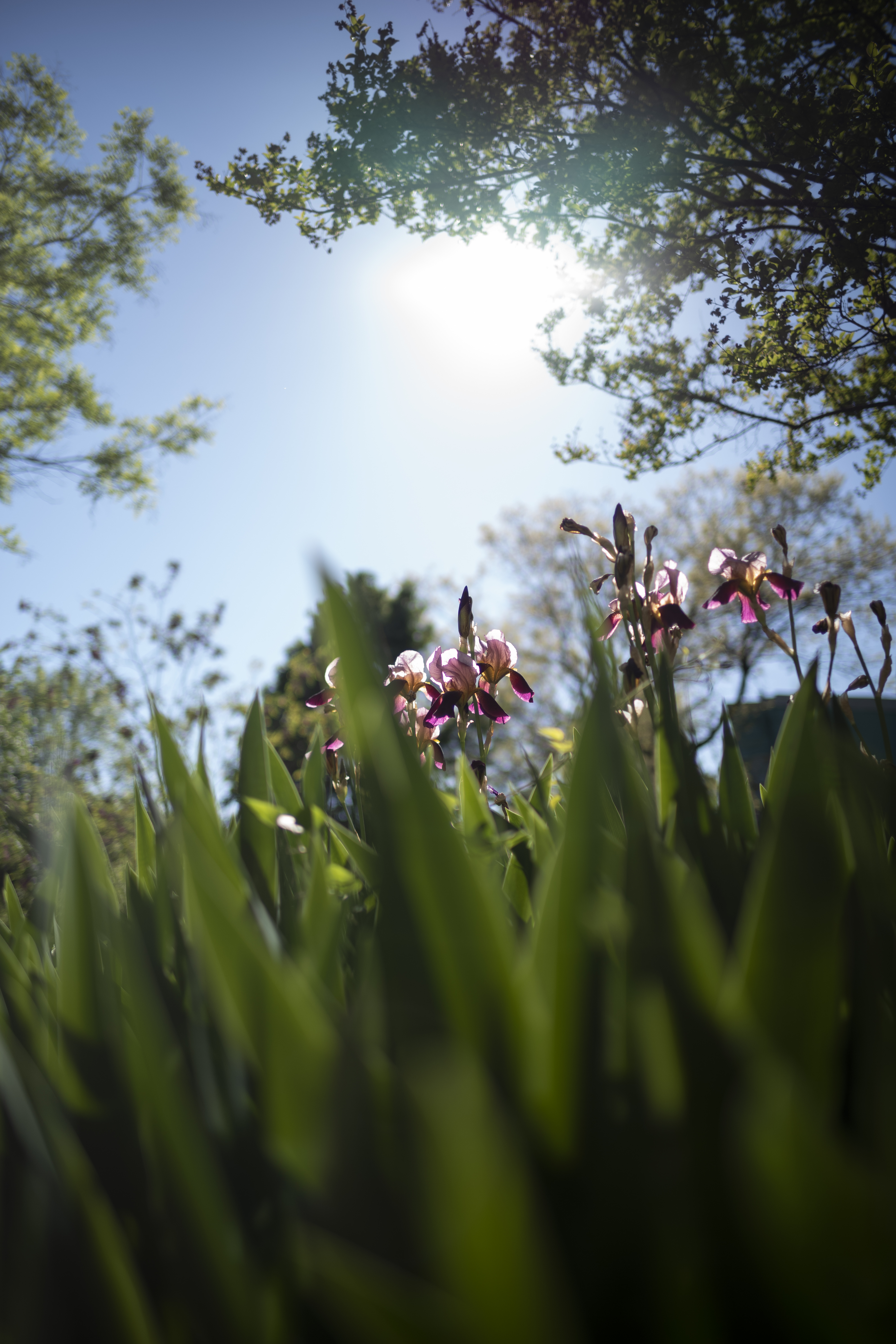
Lens Flare (Wide Open)
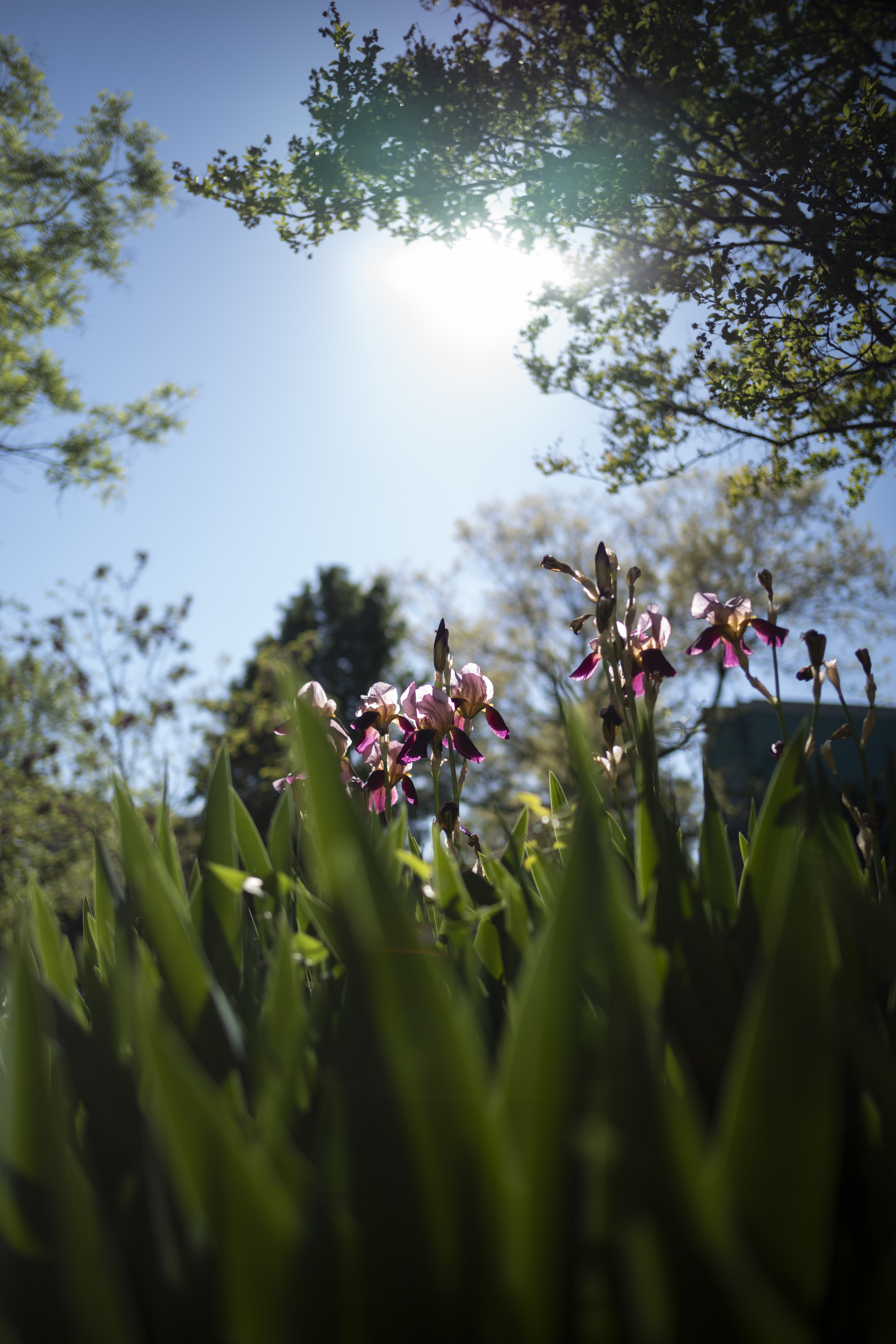
Not much to say here. Both lenses handled shooting into the sun extremely well without a lens hood.
Bokeh Test (Wide Open)
If you want to split the smallest of hairs, technically the Voigtlander 28mm f/1.5 is “slower” than the Leica 28 Summilux. The Voigtlander has an aperture of f/1.5, whereas the Summilux is f/1.4 Realistically, this difference is nonexistent in terms of bokeh. As a side note, there is a very small and hard-to-see difference when it comes to light gathering abilities. Either way, here is a quick side-by-side comparing bokeh at each lens’ widest aperture.


Image Quality Summary
I will let you draw your own conclusions based on the above samples, but my personal opinions can be summarized as follows:
- The Voigtlander 28mm f/1.5 ASPH is damn good. Period.
- Wide-Open Performance: I was shocked by how good the Voigtlander 28mm f/1.5 ASPH performed wide-open. I found it to be a bit sharper across most of the frame compared to the Summilux. If anything, both lenses were about the same towards the extreme corners wide-open. In all my test shots, the Voigtlander was consistently sharper than the Summilux everywhere except the extreme corners. Before anyone says my Summilux needed to be calibrated, remember, I was using live-view to focus.
- At f/2 and f/2.8, both lenses were essentially equal in terms of sharpness across the frame.
- Both lenses exhibit similar vignetting at their widest apertures and f/2. When shooting at f/2.8, the Voigtlander had less vignetting.
- Both lenses handled flaring and shooting into the sun equally well.
- Wide open, the Summilux exhibited slightly less chromatic aberration.
- The Voigtlander 28mm f/1.5 ASPH images were slightly more contrasty.
Closing Thoughts
Personally, I think this is Voigtlander’s best lens to-date. That’s saying a lot coming from someone who doesn’t particularly like shooting Voigtlander lenses nowadays. Allow me to unpack why I think so highly of this lens…
Many modern Voigtlander lenses are released into a market where competition is stiff. For example, consider the following focal length & aperture combinations: 28mm f/2, 35mm f/1.4 and 50mm f/1.4. These are fairly standard M-mount lenses, and there are numerous options on the market amongst Leica, Voigtlander and Zeiss. Additionally, most modern variations of these lenses are great. Sure, Voigtlander continues to make improvements with each generation of these lenses, but they’re not breaking the mold or doing anything unprecedented. The Voigtlander 28mm f/1.5 ASPH breaks the mold and is unprecedented.
First off, there’s the simple fact that there aren’t any other fast M-mount 28mm lenses out there. The Leica 28mm Summilux ASPH has been the first and only choice for quite some time. Yes, TTartisan made a 28mm f/1.4. So did Thypoch. But I’m not counting those since they’re not coming from established M-mount lens manufacturers. Sorry.
Anyway, if you wanted a fast 28mm, you had to buy the Leica 28mm Summilux. Your next option was to settle for an f/2 lens. By simply releasing a 28mm f/1.5 lens, Voigtlander filled a huge hole in the market. Even if the Voigtlander 28mm f/1.5 ASPH was a dud, it would have been a huge win for those who wanted a fast 28mm from a reputable M-mount manufacturer.
Second, the Voigtlander 28mm f/1.5 ASPH is not a dud. It’s quite the opposite. It’s surprisingly small and light for a 28mm f/1.5 lens, and wide-open image quality is arguably better than the Leica 28mm Summilux ASPH. Truthfully, I couldn’t find anything that the Leica did drastically better than the Voigtlander. Perhaps the Leica has slightly less chromatic aberration, plus a better hood system. Additionally, there’s something about using a Leica lens on a Leica body that can’t be replicated. That’s about it, IMO. Worded differently, there aren’t many compelling reasons to spend thousands of dollars on the Leica when the Voigtlander is collectively a better lens at a fraction of the cost.
Usually, I feel that if you’re going to shoot with a Leica camera, you should use Leica glass. In this case, I’m not so sure. The Voigtlander is just that good. So good, in fact, I sold the Summilux and haven’t (yet) looked back. Now, if both lenses were to cost the same, I’d go with the Leica in a heartbeat. Shooting with a Leica on a Leica, especially the 28mm Summilux, is a feeling of Zen. However, both lenses don’t cost the same, and I couldn’t justify keeping a lens that cost me 500% more just for the Leica name. The Summilux will always be a special lens to me, but for now I’m looking forward to seeing what the Voigtlander can do.
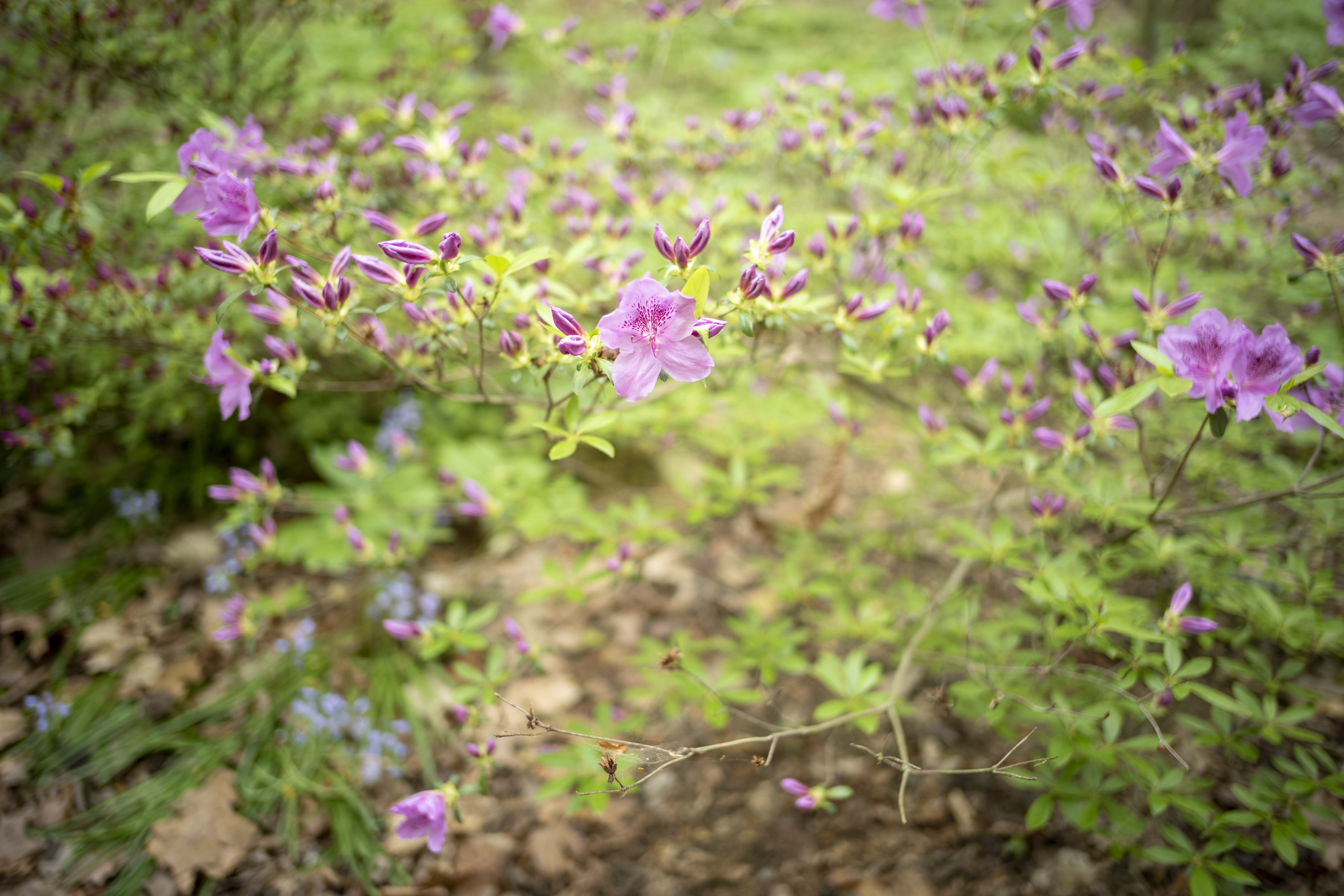
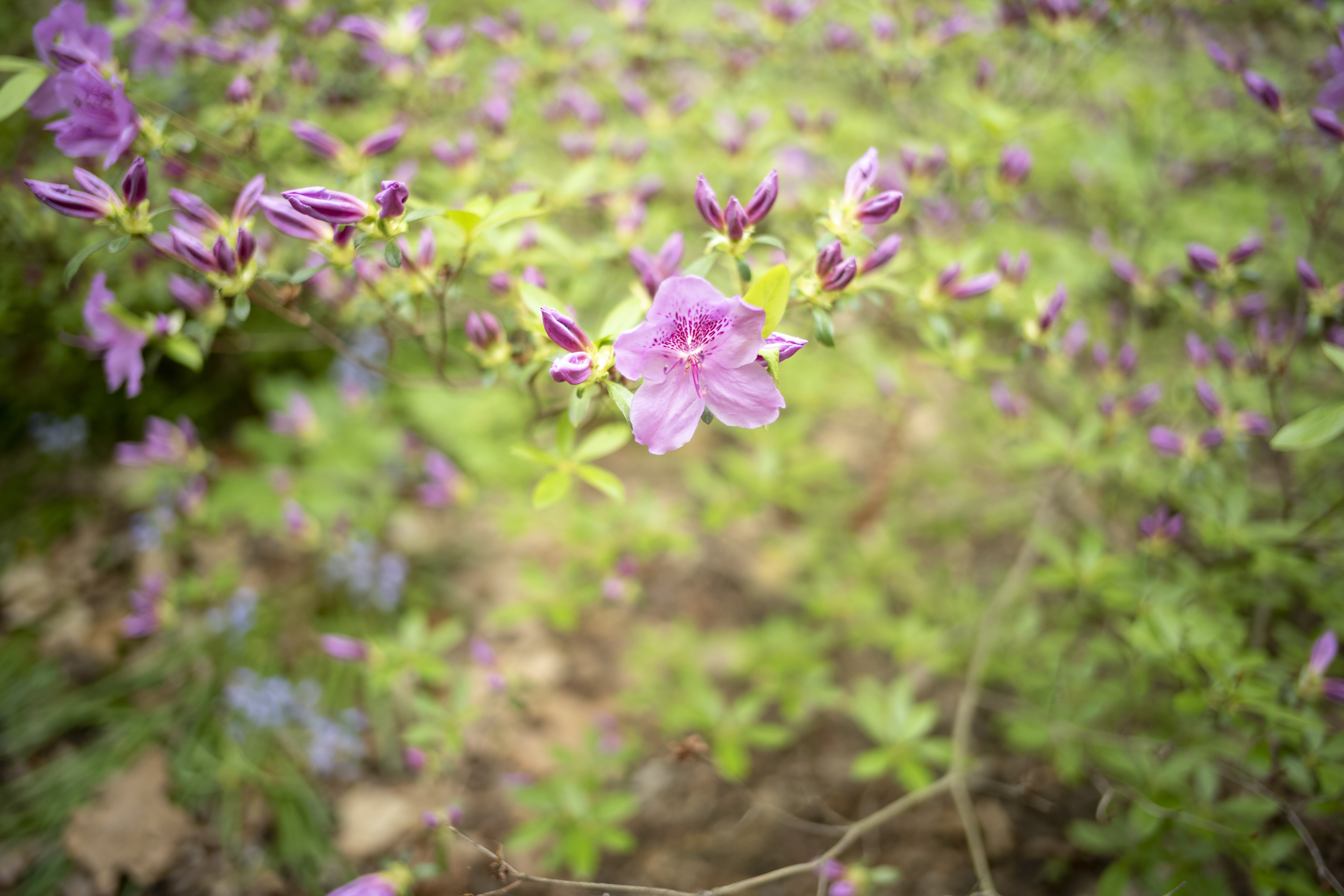
Samples





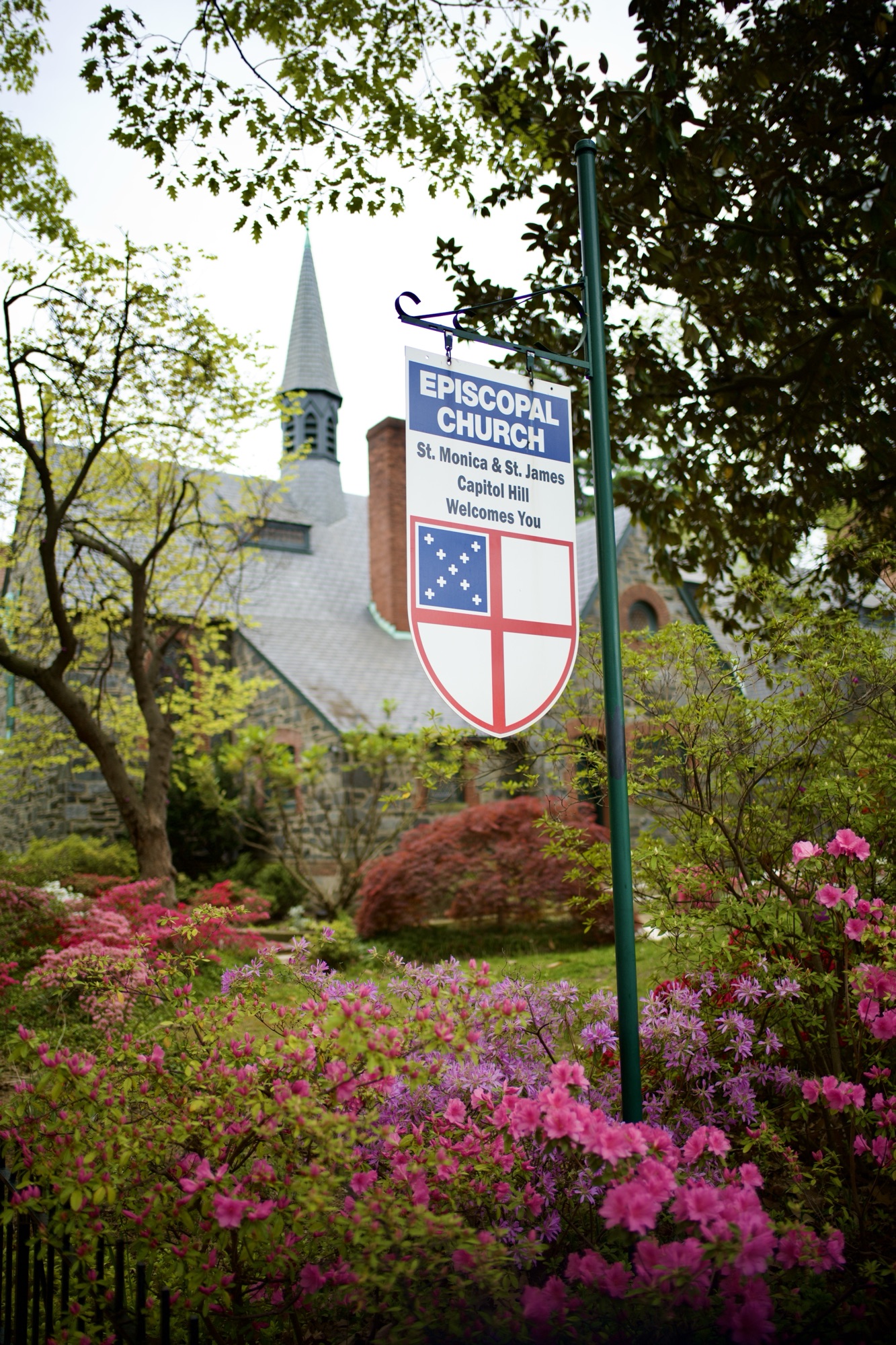
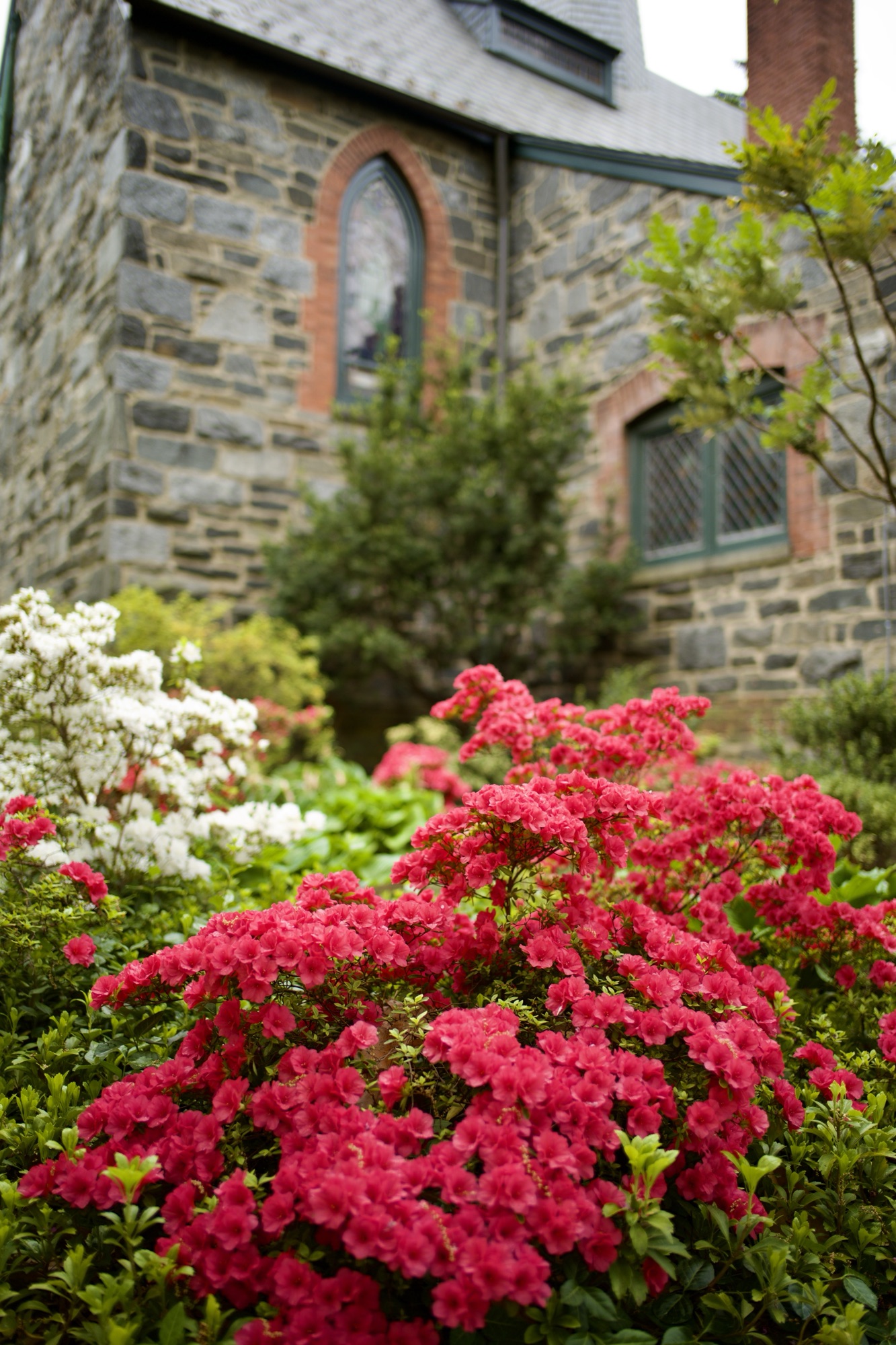


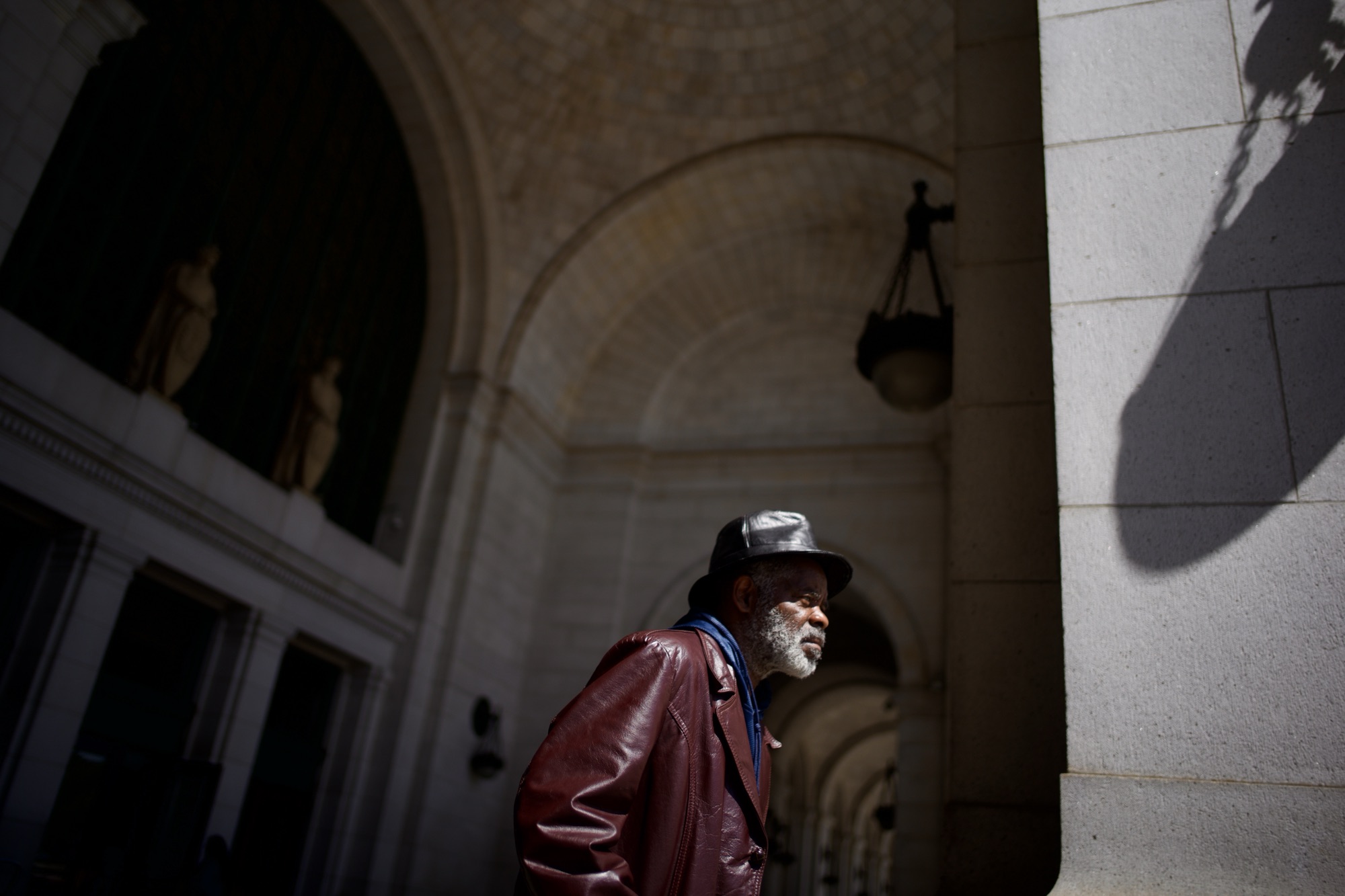








 Photos by Johnathan Comer